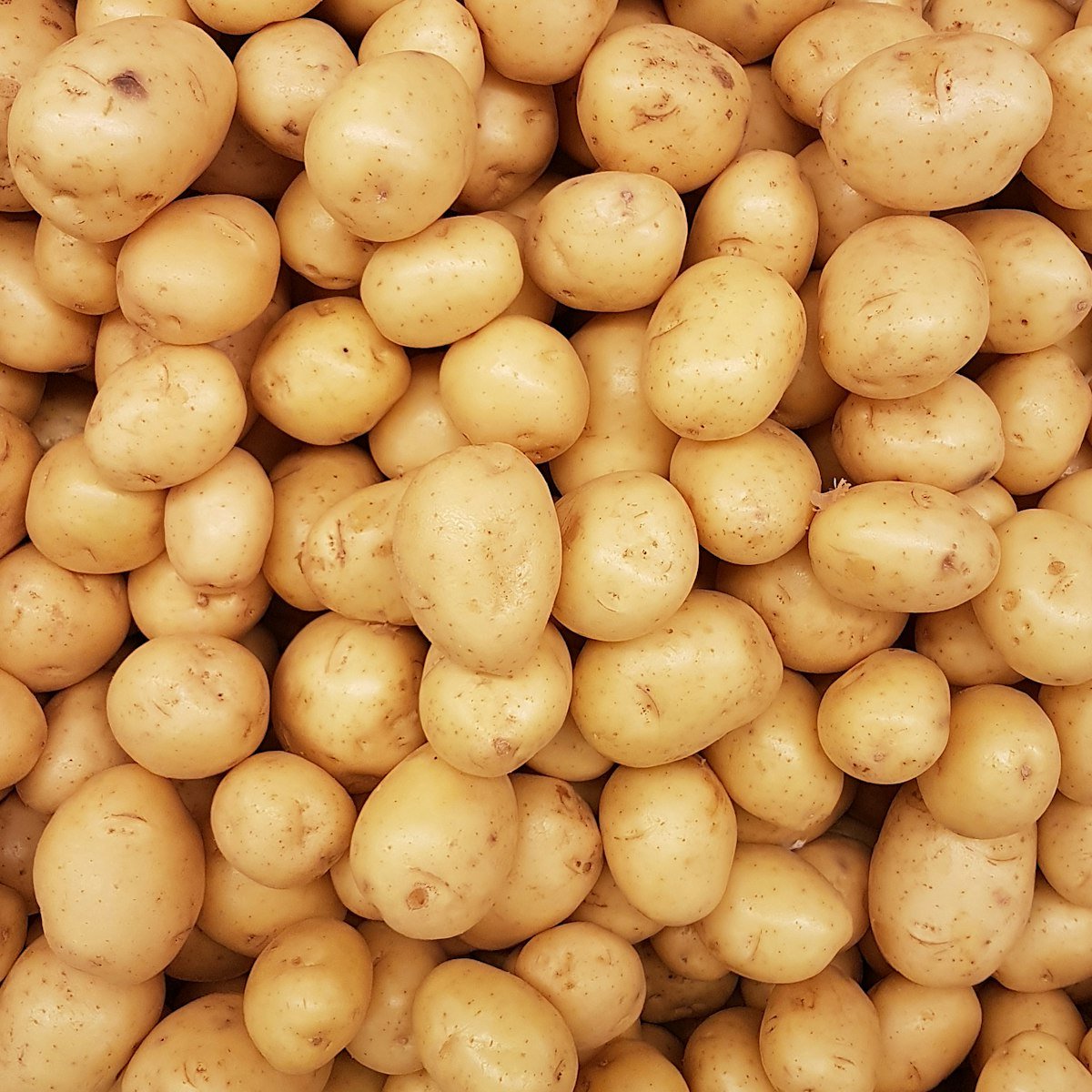
Today’s rates updated at 7:00 AM
Ask today’s rates

Category: Market Insights

Wholesale vegetable market updates, buying guides and storage tips for food businesses in Pune.

  • Why Onion and Potato Rates Change Every Day — and How to Plan Around It

    Why Onion and Potato Rates Change Every Day — and How to Plan Around It

    If you run a food business in Pune, you’ve seen onion and potato prices move up and down week to week. Understanding why helps you budget better and avoid surprises.

    What moves the price

    • Arrivals at APMC markets: when fewer trucks arrive at the mandi, prices rise; heavy arrivals bring them down.
    • Season and harvest: rates are usually softer right after harvest and firmer before the next crop comes in.
    • Weather: unseasonal rain can damage stored and standing crops and push prices up quickly.
    • Demand spikes: festivals and wedding season increase demand from caterers and hotels.

    How to plan around daily changes

    1. Check rates every morning. We publish fresh wholesale rates at 7:00 AM on our Today’s Rates page.
    2. Buy more when rates dip. If you have dry storage, stock up a little extra on low-rate days.
    3. Lock in regular supply. Businesses that order regularly can discuss steady supply plans with us.
    4. Get rates on WhatsApp. Join our daily rate updates so you never miss a good day to buy.
    Get the 7:00 AM rates on your phone every day — tap here to join on WhatsApp.
  • Large, Medium or Small Onions: Which Size Is Right for Your Kitchen?

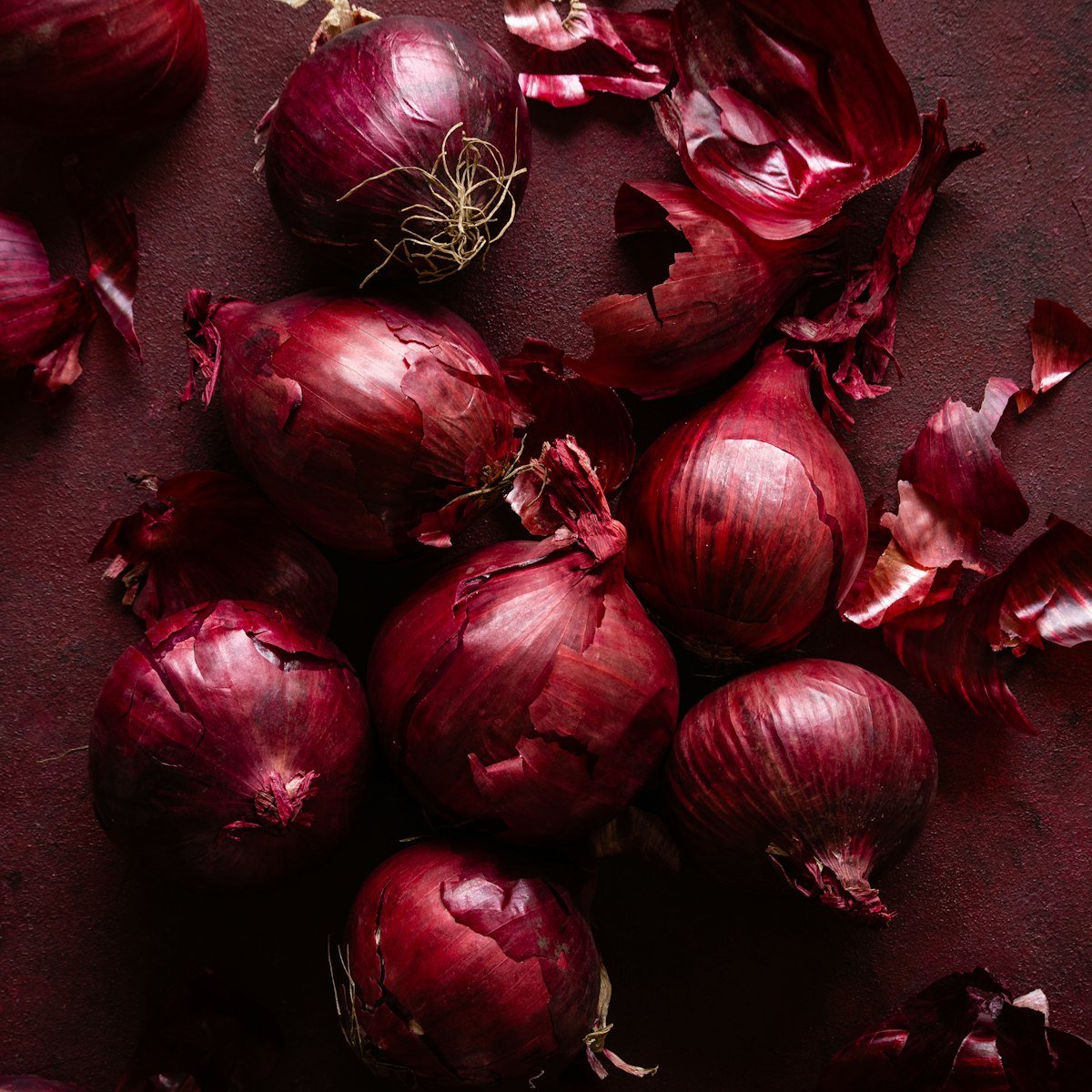
    Large, Medium or Small Onions: Which Size Is Right for Your Kitchen?

    When you buy onions wholesale, size is not just about looks — it affects prep time, yield and cost per dish. We supply onions graded into Large, Medium and Small so every kitchen can pick what works best.

    Large onions

    Best for hotels and restaurants that slice or dice in volume. Fewer onions to peel means faster prep and less labour. Ideal for onion rings, salads, kanda bhaji and gravies made in large batches.

    Medium onions

    The all-rounder. Medium onions are the most popular choice for restaurants, cloud kitchens and caterers because they balance price, yield and ease of handling. Great for everyday curries, pulao and tadka.

    Small onions

    Usually the most economical. Small onions are perfect for whole-onion preparations, pickles, sambar and dishes where onions are ground into a paste, so size doesn’t matter.

    Quick guide

    • High-volume slicing and salads: Large
    • Everyday cooking: Medium
    • Pastes, pickles and budget batches: Small

    Minimum order for onions is 100 kg, and you can mix sizes in one order. Check today’s rates and order on WhatsApp in a few taps.

    Not sure which size suits your menu? Ask us on WhatsApp — we’re happy to advise.
  • How to Store Onions, Potatoes & Garlic in Bulk Without Wastage

    How to Store Onions, Potatoes & Garlic in Bulk Without Wastage

    For hotels, restaurants and caterers, onions, potatoes and garlic are bought in large quantities every week. Storing them correctly can cut wastage by a big margin and protect your margins. Here is a simple, practical guide our team shares with clients across Pune and PCMC.

    1. Keep them apart

    Never store onions and potatoes together. Potatoes release moisture and gases that make onions sprout and rot faster, while onions speed up sprouting in potatoes. Use separate racks or separate corners of your store room.

    2. Onions: dry, airy and dark

    • Store in ventilated jute or mesh bags, never in sealed plastic.
    • Keep bags off the floor on pallets or racks so air can move underneath.
    • Remove any soft or sprouting onions every day — one bad onion spoils the bag.

    3. Potatoes: cool and away from light

    • Light turns potatoes green, so cover them or keep them in a dark room.
    • Do not refrigerate raw potatoes — cold storage at home temperatures makes them sweet and they darken when fried.
    • Use the oldest stock first (first in, first out).

    4. Garlic: dry air above all

    Keep whole bulbs in a dry, ventilated place. Break bulbs into cloves only when needed — separated cloves dry out and lose aroma quickly.

    5. Order the right quantity, more often

    The easiest way to reduce wastage is to avoid overstocking. Because we deliver within 24 hours in Pune and PCMC, many of our clients order two or three times a week instead of storing large stock for long.

    Want a supply plan that matches your weekly consumption? WhatsApp us and we’ll suggest the right order size and frequency.